
Health Outcomes and Policy Effects (HOPE) Laboratory
Research
Pediatric Research That Improves Care

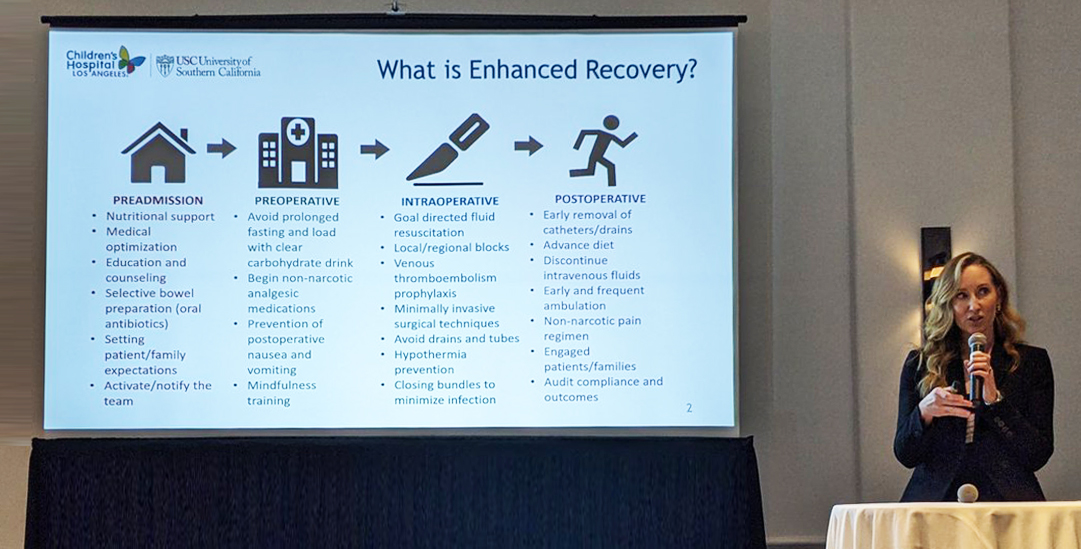
The HOPE Lab conducts rigorous, data-driven research to improve health outcomes for infants, children, and adolescents. By leveraging large-scale clinical datasets, collaborative research networks, and real-world clinical insights, our work translates evidence into actionable strategies that enhance care delivery, inform policy, and reduce risk, particularly in areas such as postoperative pain management, opioid stewardship, and surgical outcomes.

CARES for Kids Trial
This trial, which is funded by the Patient-Centered Outcomes Research Institute (PCORI), is being completed to compare two commonly used options to treat pain after discharge from surgery. Eligible participants will be randomized to prescriptions of 1 of 2 groups of medications: Non-Steroidal Anti-Inflammatory Drugs (NSAIDs) plus acetaminophen or low dose opioids with NSAIDs plus acetaminophen.
Our goal is to address a critical gap in the evidence by conducting a pragmatic, randomized trial comparing two clinically relevant analgesic regimens prescribed to pediatric patients at discharge after low-risk surgeries. The key question the study seeks to answer is which option will have the best outcomes and with the fewest side effects.
Advance the future of pediatric care
Health Services Research
The aim is to find out how overall health and wellness is related to need for pain medication after surgery.
IRB: CHLA-18-00449
Study Details
Support the HOPE Lab mission today.
Research Funding Sources
Patient-Centered Outcomes Research Institute (PCORI) Project Program Award (BPS-2023C1-32147)
Eunice Kennedy Shriver National Institute of Child Health and Human Development; National Institutes of Health (R01HD105656)
USC Institute for Addiction Science Early-Career Research Scientist Pilot Grant
Southern California Center for Translational Science Institute (UL1TR001855)
Eunice Kennedy Shriver National Institute of Child Health and Human Development; National Institutes of Health Loan Repayment Program
Driving Impact Through Published Research
Advancing Safer, Smarter Pediatric Care!
